Preserving Fruit
The first fruit preservation method requires nothing more than cold storage.
Apples, quinces, and pomegranates easily last through the winter. Quinces don’t even need to be kept in a cool cellar; placing them in a sunny window helps release their fragrance and increase their sweetness.
The second method, used for apricots, grapes and plums, is drying.
Another option, used for overripe fruit, is to turn its pulp into a paste which is then spread in thin layers and dried in the sunshine. The pectin inside the fruit binds the dried paste and turns it into fruit leathers.
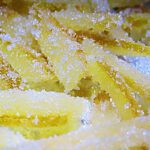
The third method involves preserving the fruit in light syrup. This method works especially well for citrus and stone fruits, whose the flavor is further enhanced by adding blanched almonds or walnut pieces to the syrup. Sadly, this doesn’t work for berries, which are too delicate to stay in one piece.
Last, jams and jellies, whose main characteristic is they contain just as much sugar as they do fruit.
While packing a lot of empty calories, sugar is a very good preserving agent and the result is delicious. Keep in mind that back in the day there was no such thing as blackberries in winter, and enjoying their taste in the sugary confection was a decadent luxury.
 Previous Post
 Next Post